4 hr
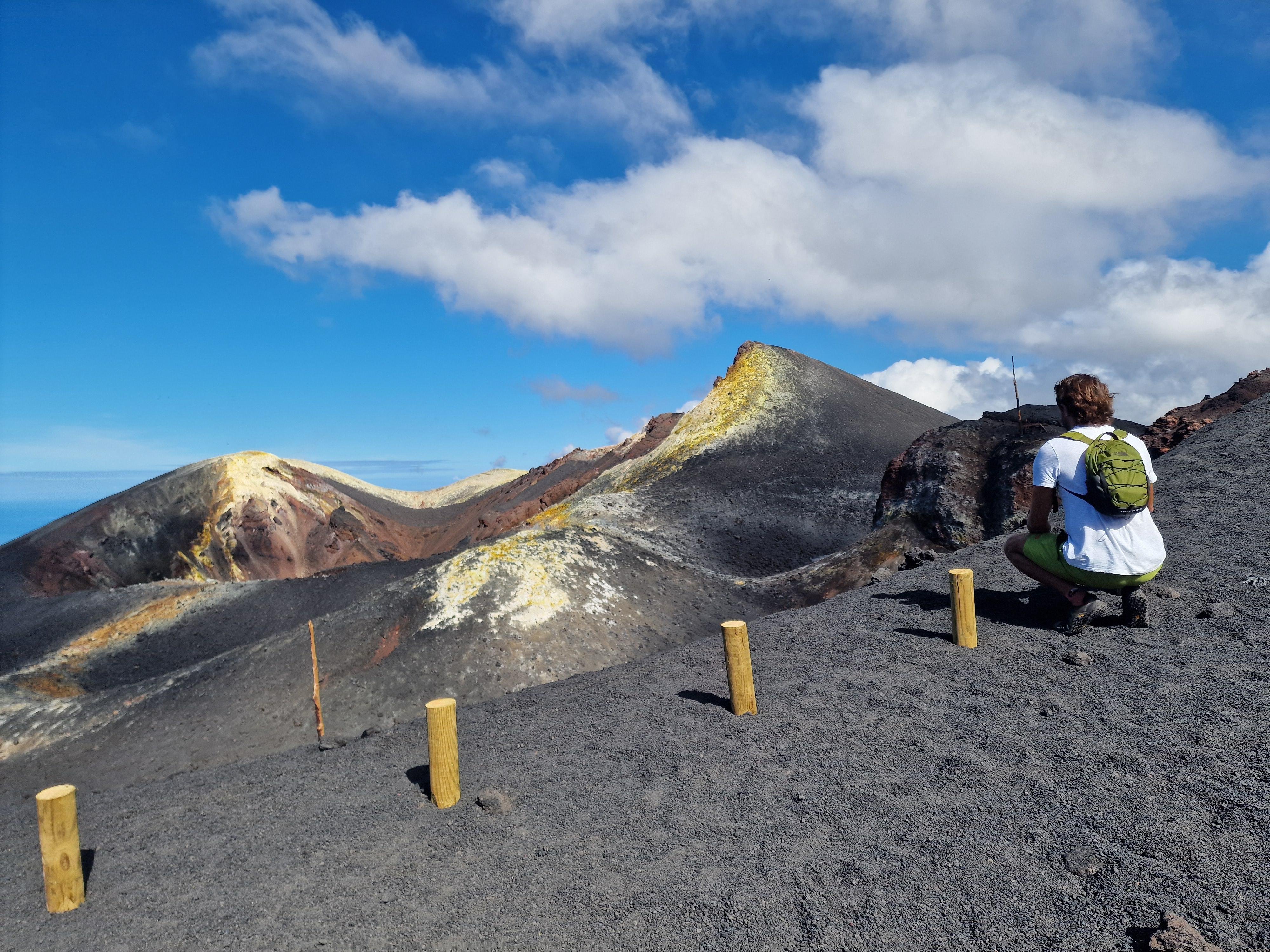
Tajogaite Volcano Guided Hiking Experience
- Entry ticket
- Mobile voucher
- Valid same day
- Free cancellation
Stargazing La Palma Tour — Summit Astronomy & Sunset Ascents
Trade wines above the cloud sea, then read the stars.
Compare fares, pick the fit — all bookings are mobile-voucher and eligible for free cancellation where shown.
4 hr
3 hr
7 hr
| Experience | Duration | Rating | Pickup | Skip-the-line | Guide | Free cancel. | Price | |
|---|---|---|---|---|---|---|---|---|
|
Standard Entry
Most popular
Tajogaite Volcano Guided Hiking Experience
|
4 hr | ★ 4.8 | — | — | ✓ | ✓ | €38 | Book → |
|
Standard Entry
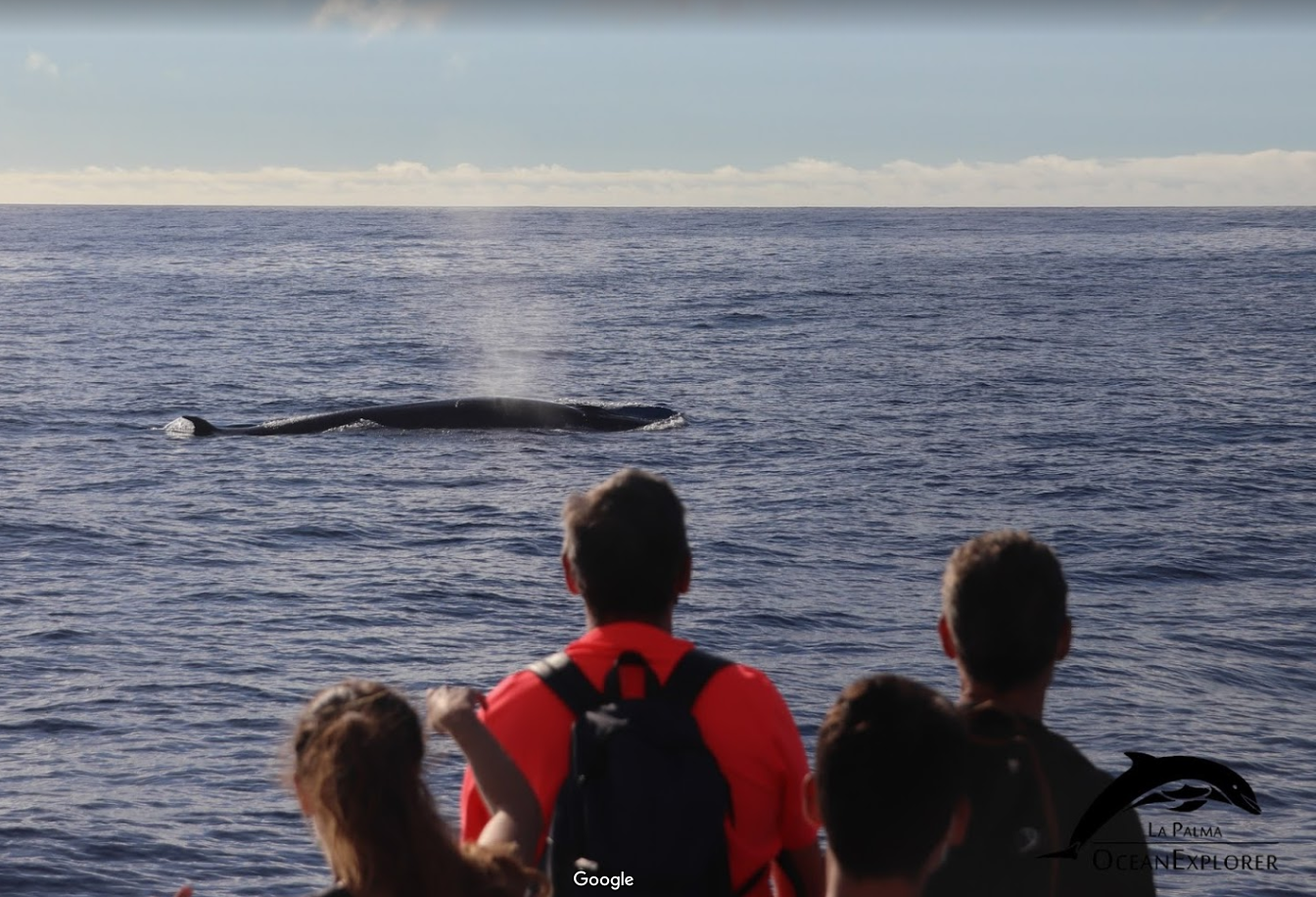
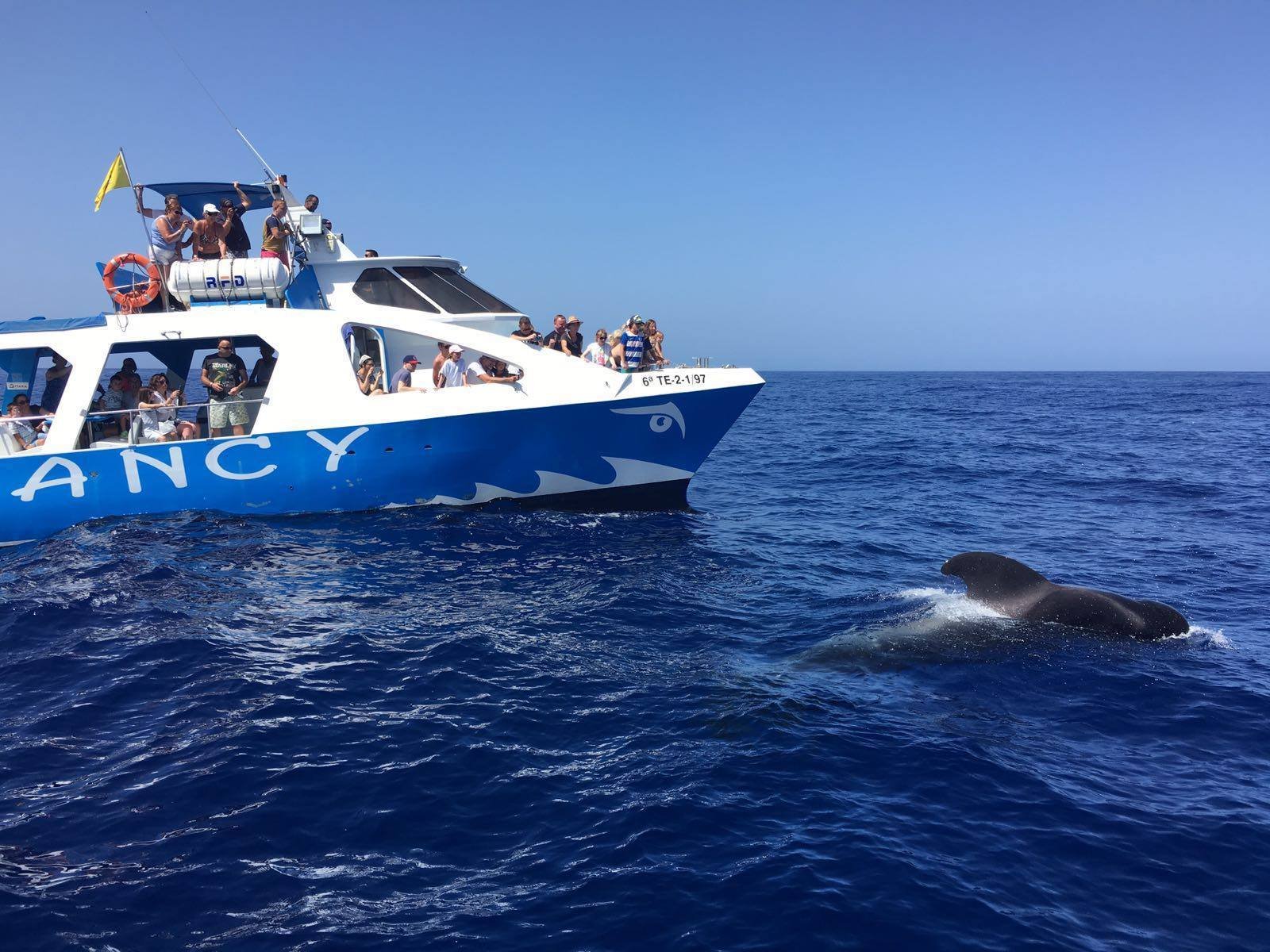
Marine Wildlife Expedition with Expert Biologist
|
3 hr | ★ 4.5 | — | — | ✓ | ✓ | €60 | Book → |
|
Guided Experience
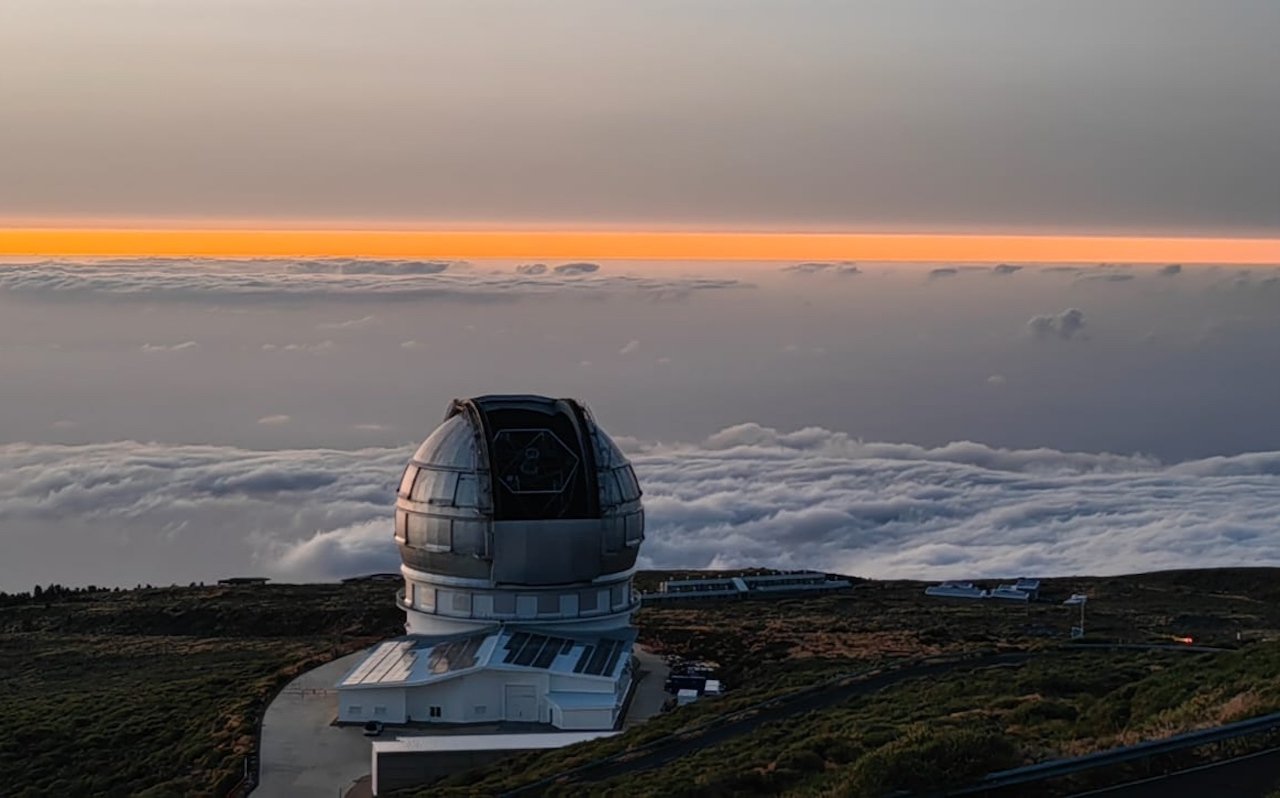
Roque de los Muchachos Stargazing Experience with Sunset Wine
|
7 hr | ★ 4.4 | ✓ | ✓ | ✓ | ✓ | €55 | Book → |
Worth it for context-seekers, skippable for pure sky-watchers
A stargazing la palma tour splits into two different purchases. The Visitor Centre charges 15 EUR for adults, and what you buy is interpretation: how the trade-wind inversion layer parks a cloud sea below the Roque de los Muchachos observatory, why the Sky Law protects this Starlight Reserve, and what the telescopes on the ridge actually do. That framing is not available at a free mirador. The guided night trips are the separate spend. Of the bookable inventory here, the Roque de los Muchachos Stargazing Experience with Sunset Wine and the Stargazing Experience Under La Palma's World-Class Night Sky both add altitude transfer, a driver on unlit mountain roads, and someone naming objects through optics you do not own. If you are already renting a car, sober, and comfortable driving LP-4 in the dark, self-driving to a viewpoint gets you the same Milky Way for nothing.
Bottom line: Pay for the Visitor Centre if you want to understand La Palma's sky, and book a guided stargazing tour only if you would rather not drive the mountain in the dark.
They complement each other; most visitors who do both call the guided stargazing la palma tour the more thrilling, while the observatory visit is the superior choice for science enthusiasts.
|
Top pick Stargazing La Palma Tour |
Observatory Visit | |
|---|---|---|
| Focus | Night sky observation with telescopes | Daytime science campus tour |
| Primary activity | Cosmos and constellation interpretation | Touring telescope interiors and domes |
| Booking type | Private group stargazing la palma tour tours | Advance reservation via Starlight Foundation |
| Typical duration | 2–4 hours | ~1 hour 30 minutes |
| Location | Mountain viewpoints (e.g. 1,300m+) | Science campus (2,426m) |
| Who it suits | Beginners and photography fans | Science lovers and history buffs |
| Access | Accessible by private tour transport | Strictly daytime only |
| See tickets & prices |
Verdict: For those seeking deep-sky views, book your stargazing la palma tour tickets for the evening, but secure an observatory slot for the daytime if you want to see the world's largest telescopes up close.
Hand-picked experiences loved by thousands of travelers
4 hours
Free Cancellation
Walk through Europe's newest volcanic terrain with a certified guide on this 7km downhill journey
1.5 hours
Free Cancellation
Journey through the cosmos with expert guides, advanced telescopes, and pristine views at certified viewpoints
2 hours
Free Cancellation
Join an expert astronomer for deep-sky viewing through a massive 50cm telescope under pristine dark skies
1.5 hours
Free Cancellation
Explore the cosmos from a certified dark-sky site with your own telescope and expert astronomical guide
2 hours
Free Cancellation
Combine volcanic wines with telescope astronomy under La Palma's pristine night sky at a historic winery
2.5 hours
Free Cancellation
Hunt for dolphins and whales along La Palma's volcanic shores aboard a spacious motor catamaran
5.5 to 6.5 hours
Free Cancellation
Journey to La Palma's summit to explore world-class telescopes and discover why this peak is perfect for stargazing
2 hours
Free Cancellation
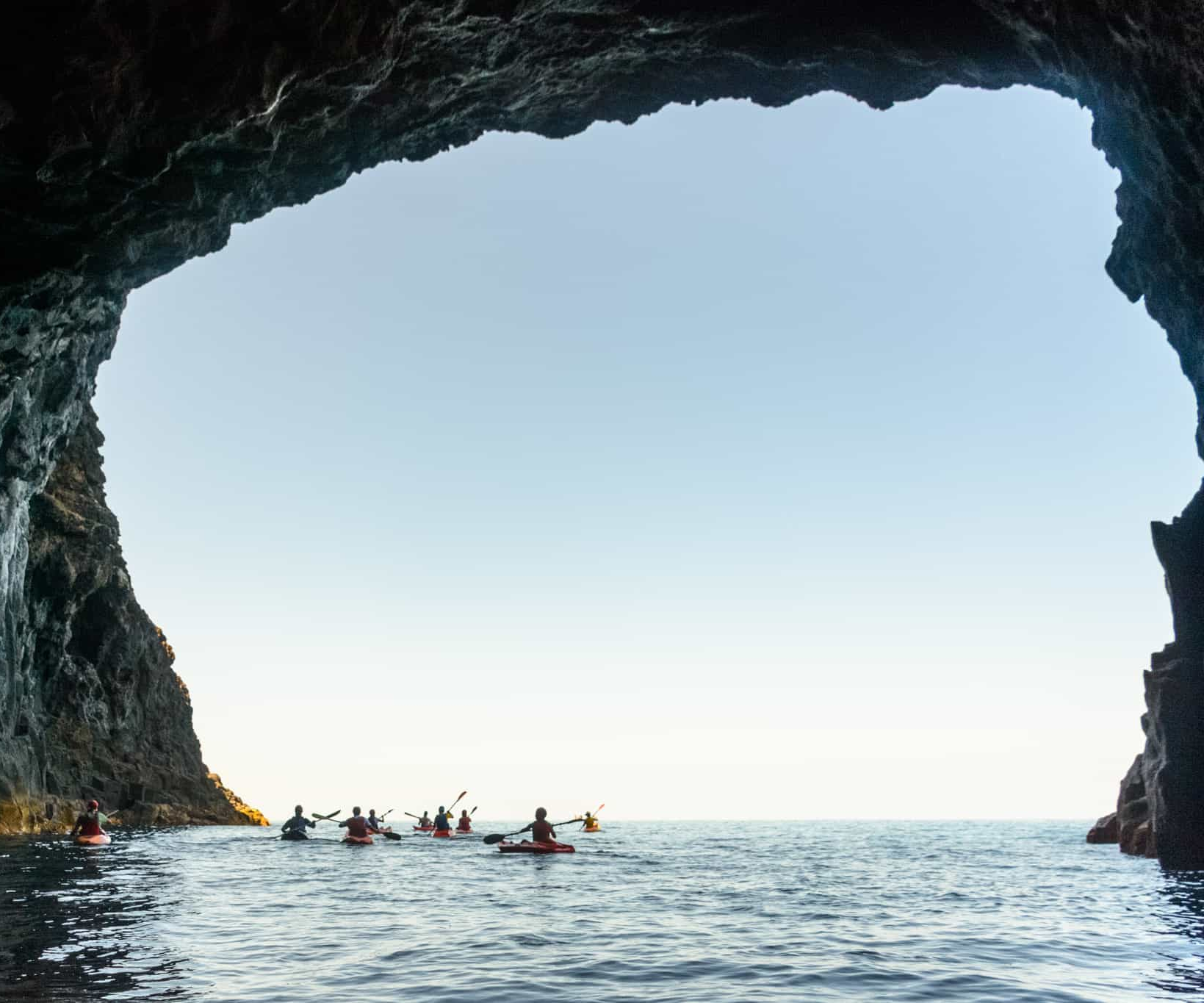
Paddle from historic fishermen's caves to La Palma's stunning sea-accessible grotto along Tijarafe's dramatic coastline
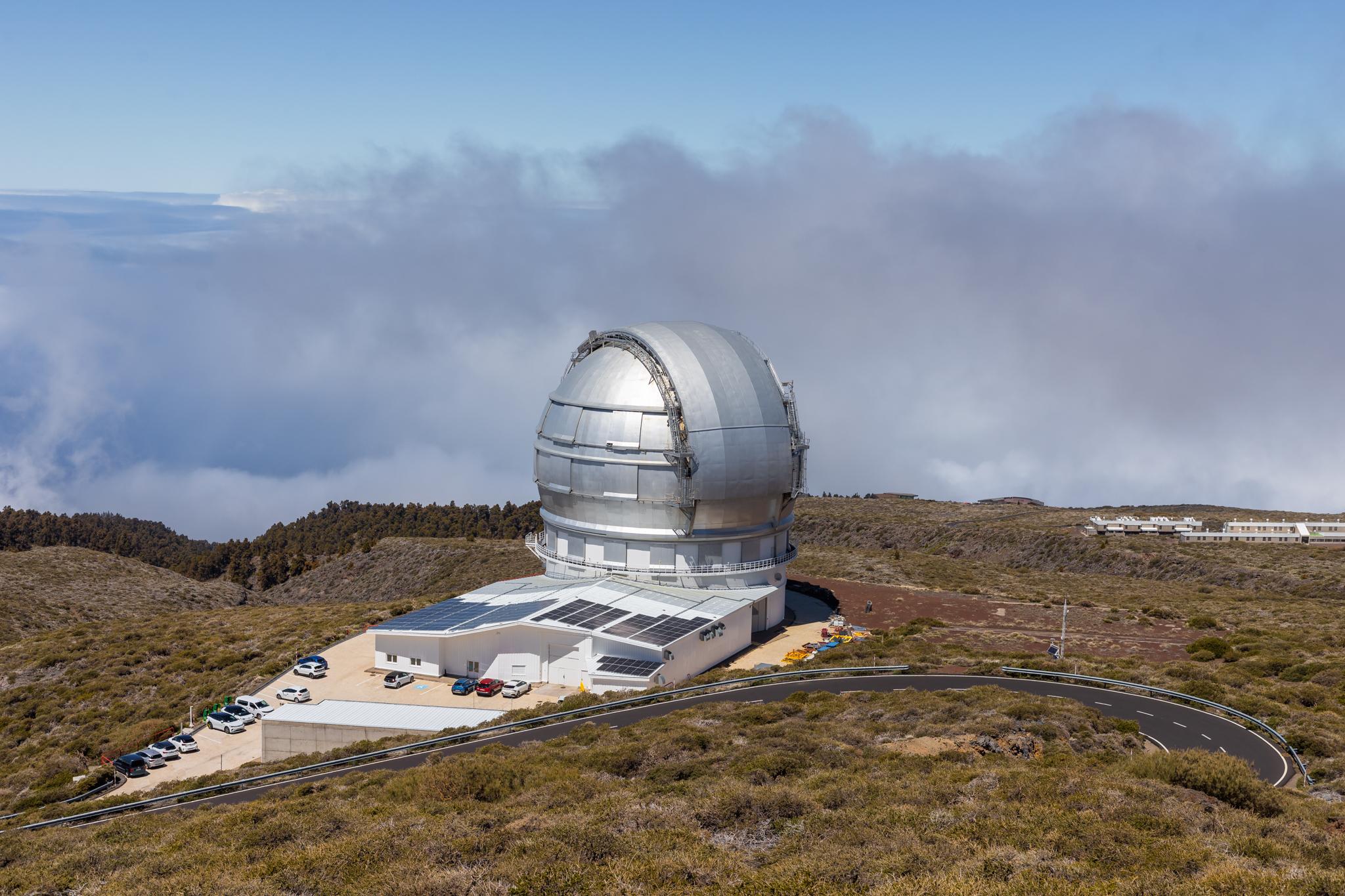
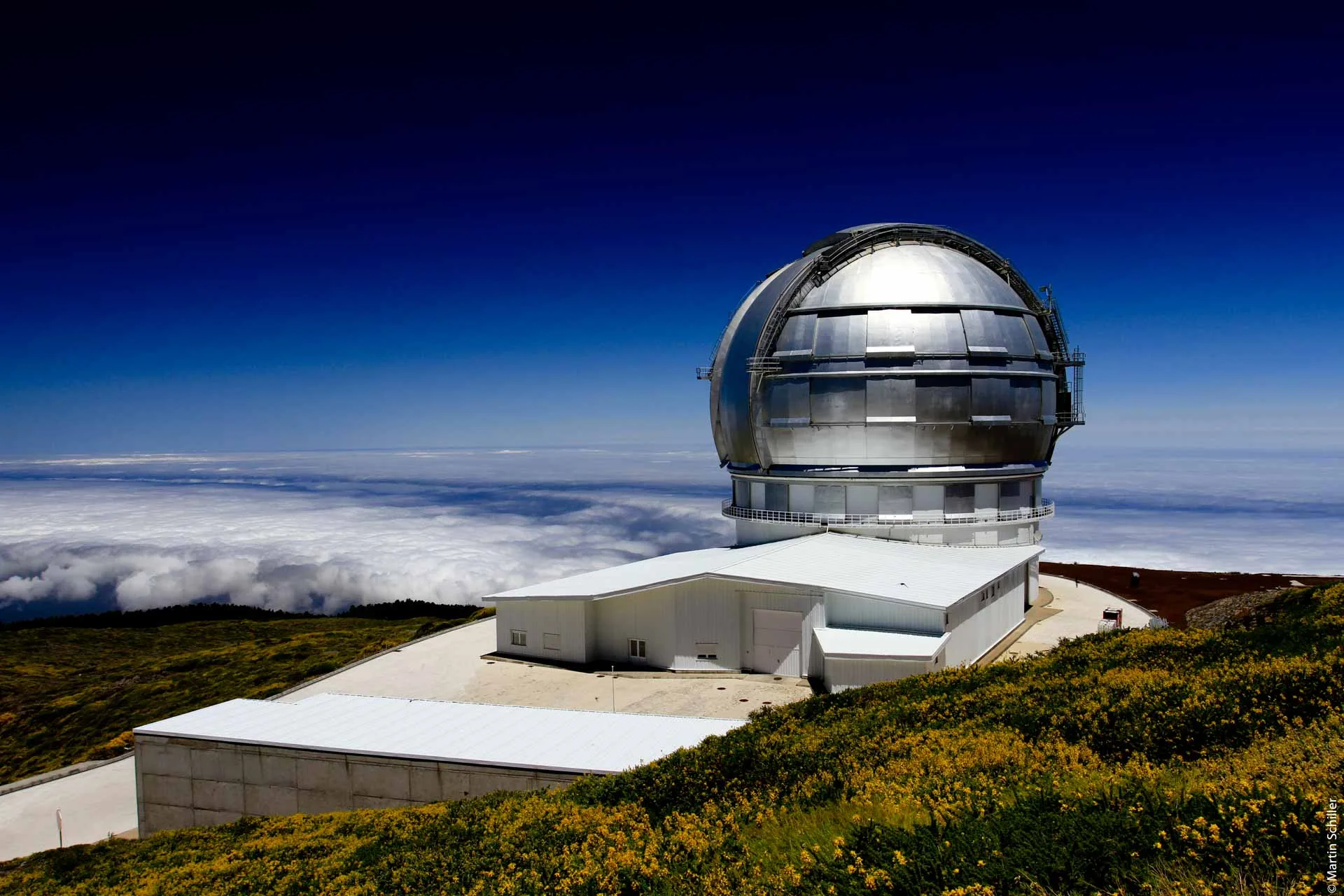
The world's largest optical telescope featuring a 40-meter dome and advanced mirror technology.
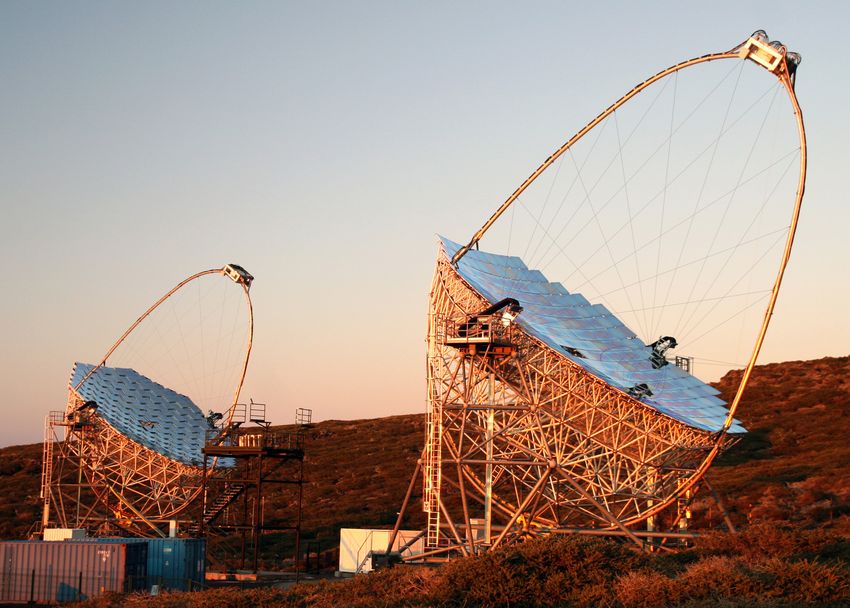
Twin telescopes used for high-energy gamma-ray astronomy and atmospheric research.
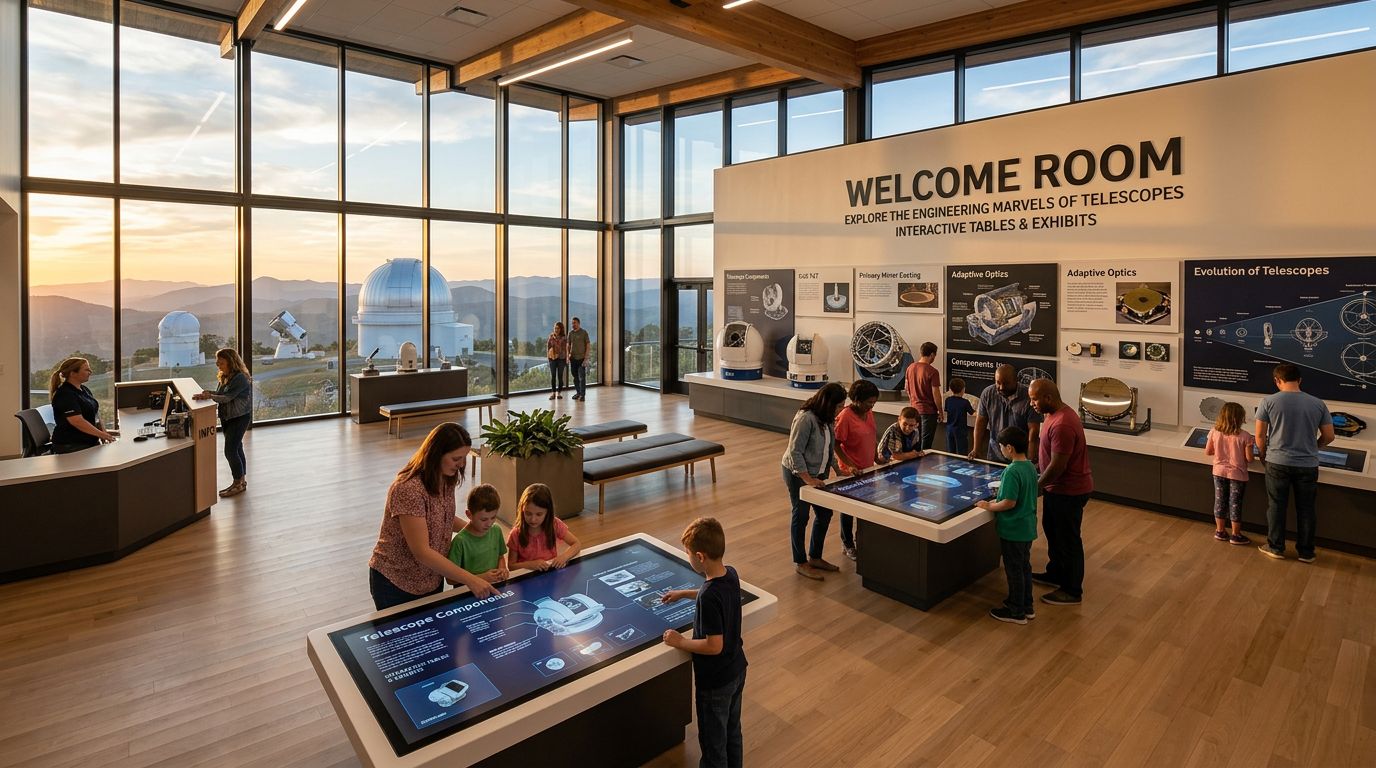
Features interactive tables and exhibits regarding telescope engineering.
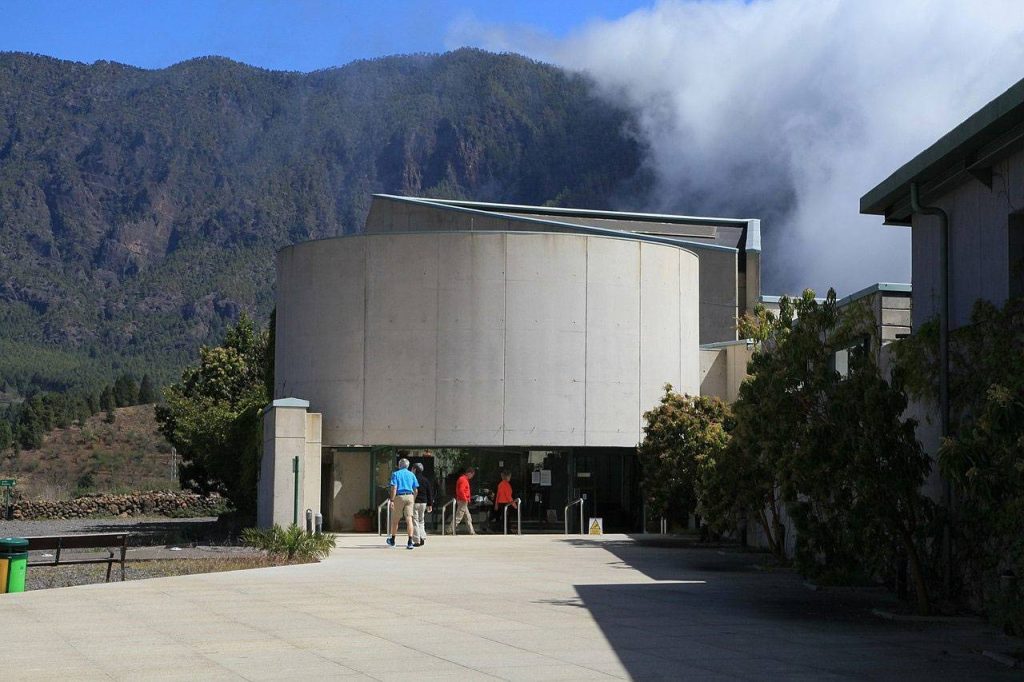
Explores the Canary Islands' unique status as a global hub for astrophysics.
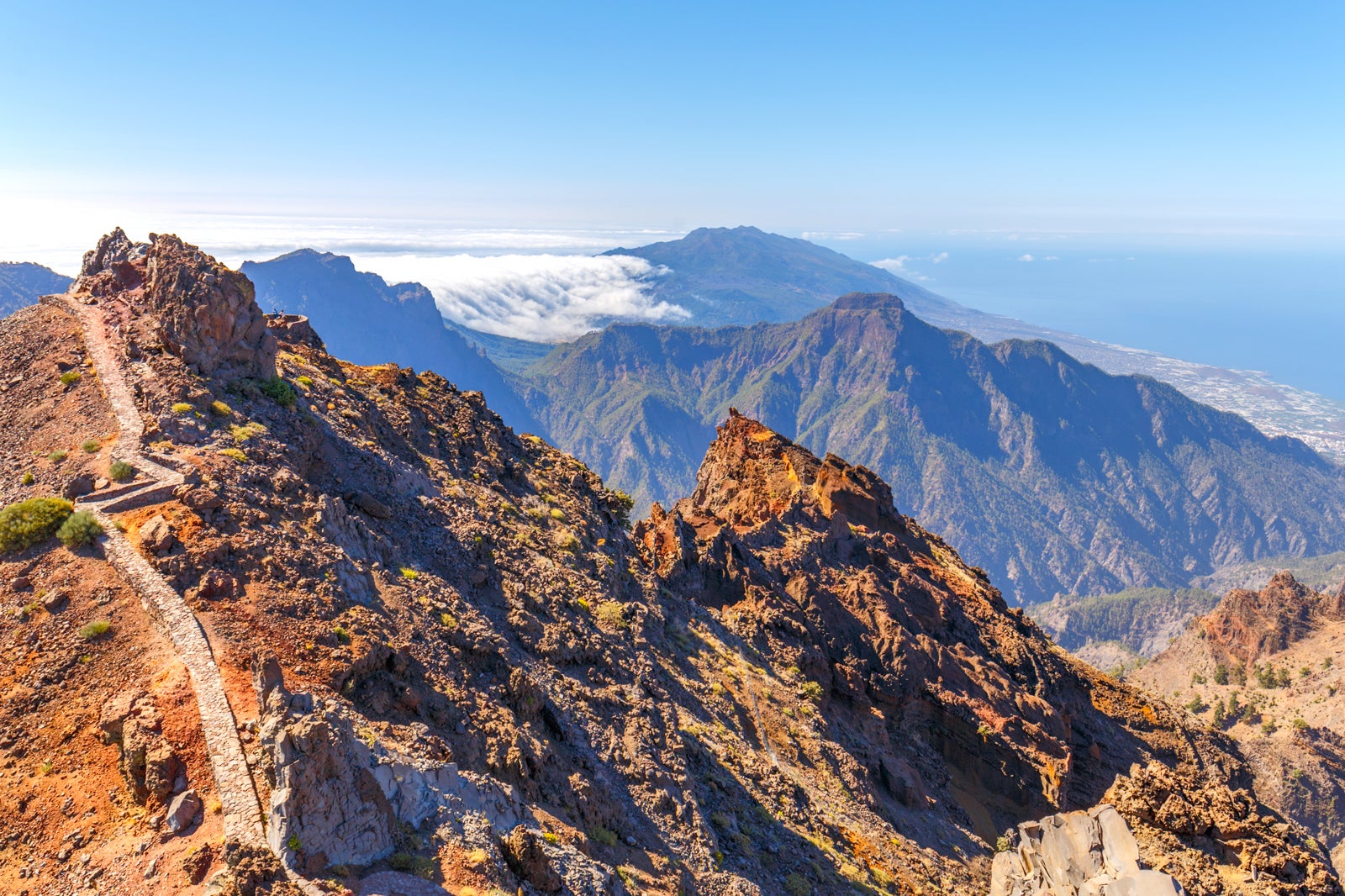
You leave the coast in daylight and climb the LP-4 in long switchbacks, gaining more than two kilometres of altitude in under an hour. Somewhere around 1,500 metres the pine forest thins, the windscreen clears, and the trade-wind cloud closes beneath you like a floor.
Arrive between 10:00 and 16:00 if the exhibition is on your list — the mid-afternoon build-up of cloud can swallow the road, and 15 EUR buys you the indoor displays at Km 37 in Garafía.
On the Roque de los Muchachos Stargazing Experience with Sunset Wine, you park below the domes and walk the gravel to the western viewpoint. A glass is poured, the sun drops into the cloud sea, and the temperature falls faster than you expect — bring a fleece even in August.
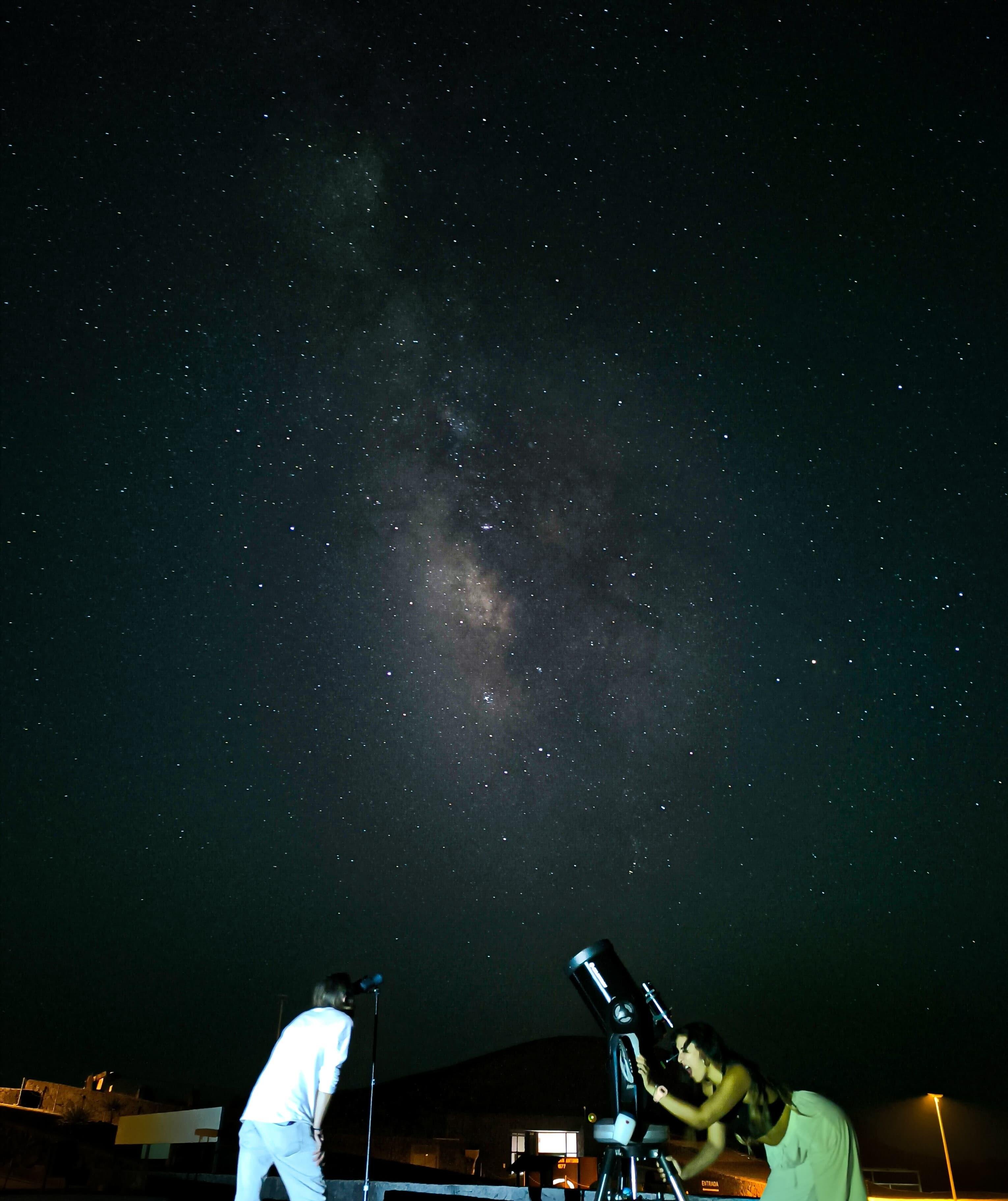
Then the sky turns on. Your guide kills the white lights, hands out red torches, and starts naming things: Sagittarius low in the south, the Milky Way's core running overhead, Saturn's rings resolving through the eyepiece as a thin bright line. You take a turn at the telescope, then another. The stargazing la palma tour ends with the descent, headlights dimmed, the island's ordinance still holding the darkness in place.
All the details about your upcoming adventure in one place
The Roque de los Muchachos rises 2,426 metres above the Atlantic, and on most nights its telescopes look down on the weather rather than up through it. That inversion — a permanent sea of trade-wind cloud sealing the humid air below roughly 1,500 metres — is the reason astronomers chose this ridge at all.
A stargazing la palma tour begins, in effect, with a drive through that lid and out the other side.
The first instruments arrived on the crater rim in the late 1970s, and in 1988 the Canary Islands passed the Ley del Cielo, a sky-protection law regulating outdoor lighting, air traffic and radio interference across the island. In 2007 La Palma became the world's first UNESCO Starlight Reserve. The Visitor Centre on the LP-4 at Km 37, in the municipality of Garafía, was built to explain that inheritance to people who arrive by car rather than by observing proposal.
What sits on the ridge today is an international observatory shared by more than a dozen countries. The Gran Telescopio Canarias carries a 10.4-metre segmented primary mirror, among the largest single-aperture optical instruments anywhere. Beside it stand the William Herschel Telescope, the Nordic Optical Telescope, the Swedish Solar Telescope and the four MAGIC Cherenkov arrays, which register the faint blue flashes that gamma rays leave in the upper atmosphere. The domes are white, squat and utilitarian; the architecture is engineering, not ornament, and the effect from the parking area is closer to a research station than a monument.
The indoor exhibition translates that machinery into something legible — spectroscopy, adaptive optics, the caldera geology that gave the ridge its flat, stable air. Entrance is 15 EUR for adults, and the centre keeps steady hours of 10:00–17:30 daily. Astronomy here is a daytime subject and a night-time one, which is why a stargazing la palma tour tour usually pairs the summit's scientific context with a later session under the sky itself.
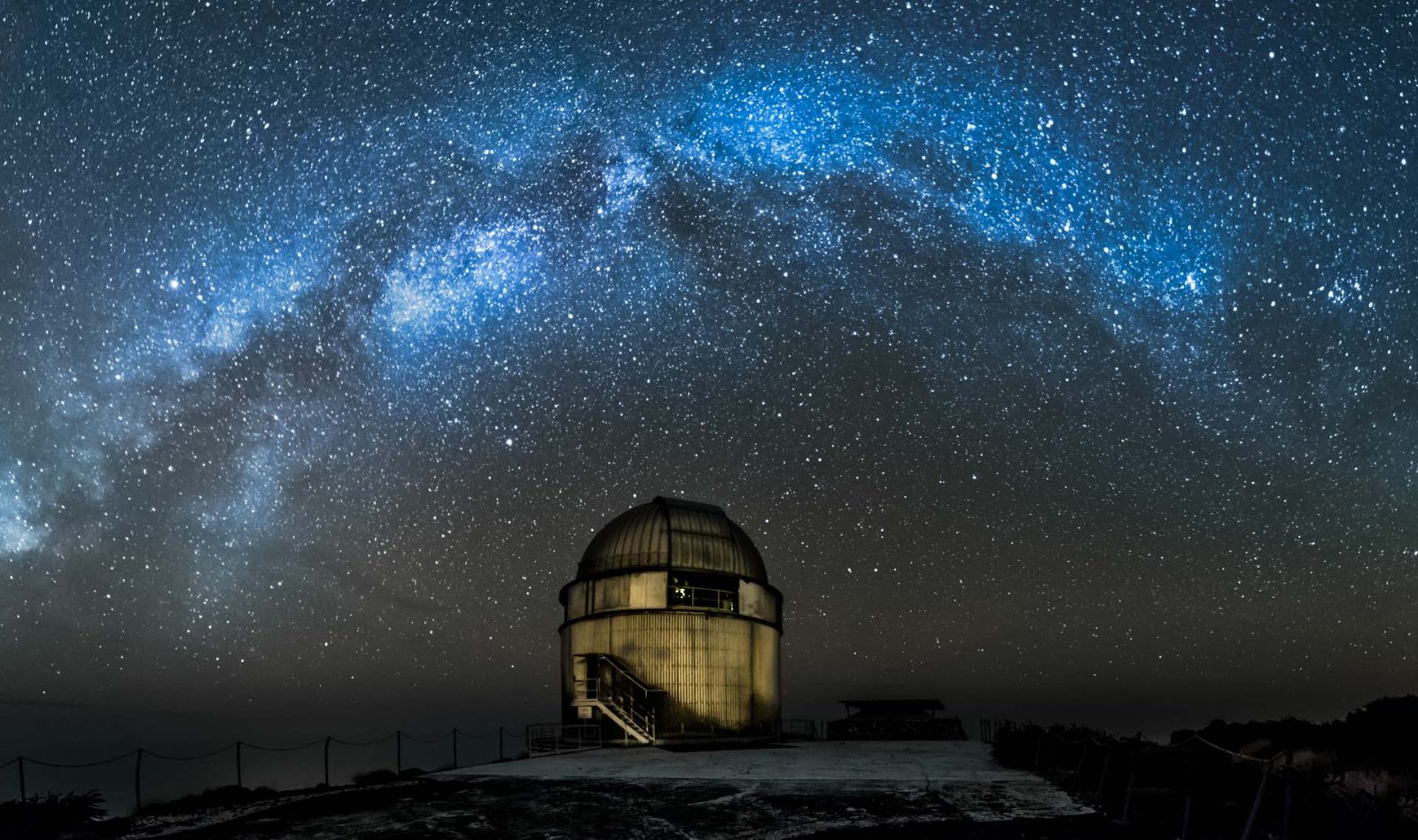
That sky matters beyond tourism. Low light pollution, dry air and the Caldera de Taburiente's shelter combine into observing conditions that competitors in Chile and Hawaii measure themselves against. Guided stargazing la palma tour tours operating from the coast and from Santa Cruz de La Palma work within the same lighting ordinance the professionals do — shielded lamps, red torches, no white beams after dark. The island's Milky Way is not a marketing image but a regulated resource, and the mountain remains a working laboratory that happens to admit visitors.

La Palma's Milky Way is not a marketing image but a regulated resource.
Layered clothing is essential for a stargazing la palma tour due to rapid temperature drops at 2,400 meters altitude. Wear sturdy, closed-toe footwear suitable for uneven terrain.
Security screening is mandatory at the observatory facilities. Large backpacks are generally discouraged, and guests must follow all Starlight guide instructions.
Photography is permitted in public areas during a stargazing la palma tour, though interior access for filming usually requires prior media accreditation.
A stargazing la palma tour is suitable for older children, though altitude warnings apply to all guests. Check individual operator age restrictions before booking.
The Visitor Centre is designed with accessible paths, though exterior stargazing la palma tour locations often involve natural volcanic ground. Contact the venue for specific mobility aid requirements.
No food or drink service is provided inside the observatory zones during a stargazing la palma tour. Bring sufficient water and snacks to consume before or after the tour.
Opening Hours
10:00–17:30
Address
Crta. LP-4 Km 37, Garafía, La Palma
Entry
15 EUR for adults
Arrival
10:00–16:00
Storage
Not available
Official Site
https://www.lapalmaturismo.com
Car · Taxi · Available from Santa Cruz or airport; recommended for stress-free access to your stargazing la palma tour.
Follow LP-4 road from Santa Cruz; journey requires caution due to mountain inclines.
Ticket refunds for a stargazing la palma tour are typically subject to operator terms provided at the time of booking. Ensure you confirm policies if your visit depends on the 15 EUR entrance fee for the Visitor Centre.
Recommended time
2-3 hours
Allocating two to three hours allows for a comprehensive exploration of the indoor astronomical exhibits before you head out for a stargazing la palma tour. Arriving during the morning helps navigate the local landmarks without peak visitor volume. You should secure your stargazing la palma tour tickets early to coordinate your schedule with the evening observations. Those planning a full La Palma observatory excursion may need additional time to account for travel through the mountain terrain.
Crowd levels through the day
Weather · crowds · average price — dots go green to amber to red as each metric rises.
Ideal for clear skies and accessible mountain roads; peak stargazing conditions.
Stargazing la palma tour availability is limited; secure tickets weeks in advance.
Crta. LP-4 Km 37, Garafía
Primary assembly point for most tours
Get directionsThe story begins not with telescopes but with air. In 1856 Charles Piazzi Smyth, Astronomer Royal for Scotland, carried instruments up Tenerife's Guajara and proved that mountain summits above the inversion layer deliver steadier images than any lowland site. His conclusion took a century to reach La Palma. The island's summit ridge, Roque de los Muchachos, stood at 2,396 metres, reachable only by rough tracks through Garafía's pine forest, and remained pasture and pilgrimage ground rather than a scientific address. The turning point was administrative. In 1979 Spain, Sweden, Denmark and the United Kingdom signed the Agreements on Cooperation in Astrophysics, opening the ridge to foreign institutions under Spanish stewardship. Construction crews cut the LP-4 road higher, hauled concrete to a windswept caldera rim, and the Roque de los Muchachos Observatory was inaugurated on 29 June 1985 in the presence of King Juan Carlos I and several European heads of state. A near-disaster followed of a quieter kind: light pollution from coastal development threatened the seeing. The Canary Islands answered with Law 31/1988, the Sky Law, restricting lighting, air traffic and radio interference — the first legislation of its kind. Every stargazing la palma tour still depends on it. What survives is a working ridge, not a museum. The Gran Telescopio Canarias, with its 10.4-metre segmented mirror, saw first light on 13 July 2007 and remains among the largest optical telescopes on Earth. Alongside it stand the MAGIC gamma-ray dishes and the Isaac Newton Group's instruments. The Visitor Centre on the Crta. LP-4 Km 37 in Garafía interprets that legacy for those arriving on a Roque de los Muchachos observatory tour, and any stargazing la palma tour tour or guided stargazing la palma tour tours booked through the operators below leads back to the same 1979 signature. Where stargazing la palma tour tickets once bought curiosity, they now buy access to a protected sky.
Charles Piazzi Smyth's Tenerife expedition demonstrated the astronomical advantage of Canarian summits above the cloud inversion.
Site-testing campaigns identified Roque de los Muchachos, at 2,396 metres in the municipality of Garafía, as an exceptional observing location.
Spain, Sweden, Denmark and the United Kingdom signed the Agreements on Cooperation in Astrophysics, opening the ridge to international institutions.
The Roque de los Muchachos Observatory was inaugurated on 29 June in the presence of King Juan Carlos I and visiting European heads of state.
Law 31/1988, the Canarian Sky Law, restricted artificial lighting, air routes and radio emissions to protect the observatory's conditions.
The Gran Telescopio Canarias achieved first light on 13 July with its 10.4-metre segmented primary mirror.
The island received Starlight Reserve certification, recognising the quality and legal protection of its night sky.
The Visitor Centre at Crta. LP-4 Km 37 opens daily from 10:00 to 17:30, with adult entry at 15 EUR.
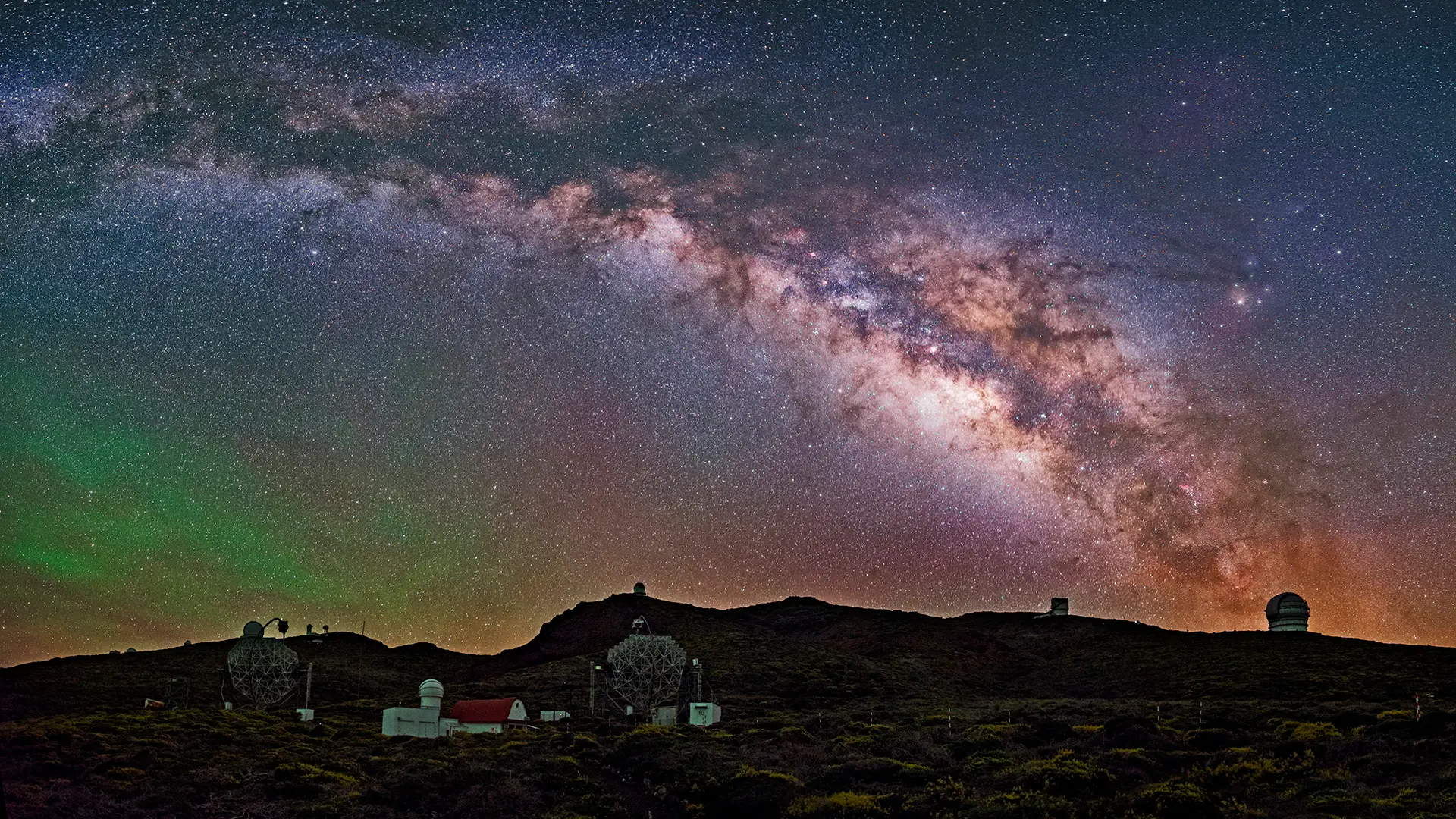
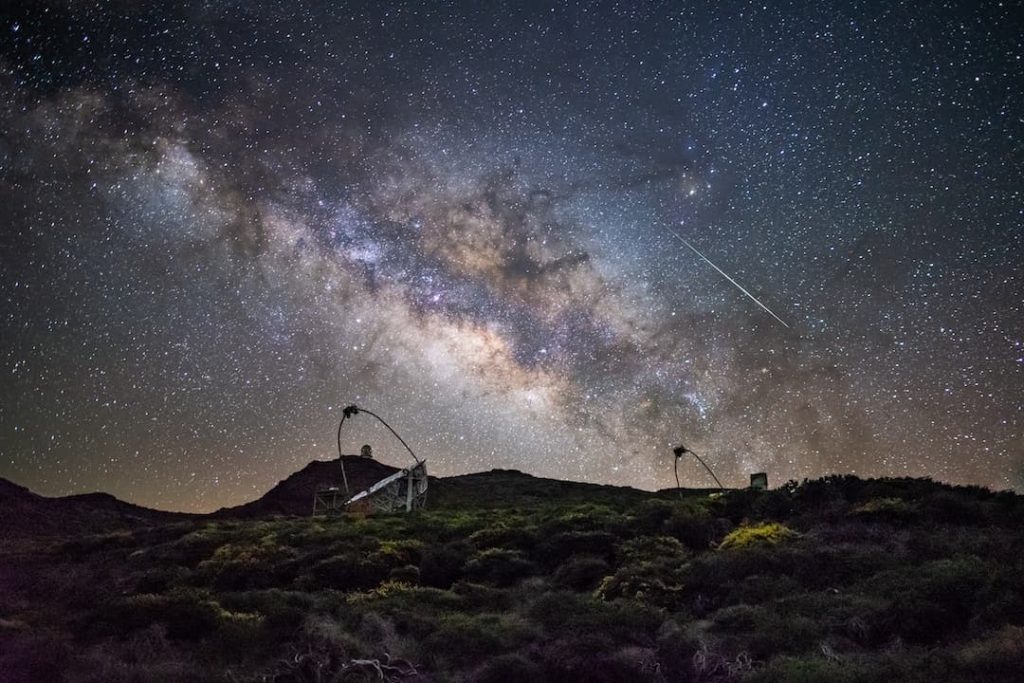
Stand at the edge of the caldera rim to capture the massive telescope domes silhouetted against the night sky. This high-altitude vantage point serves as the primary location for a stargazing la palma tour, offering a clear view of the celestial horizon.
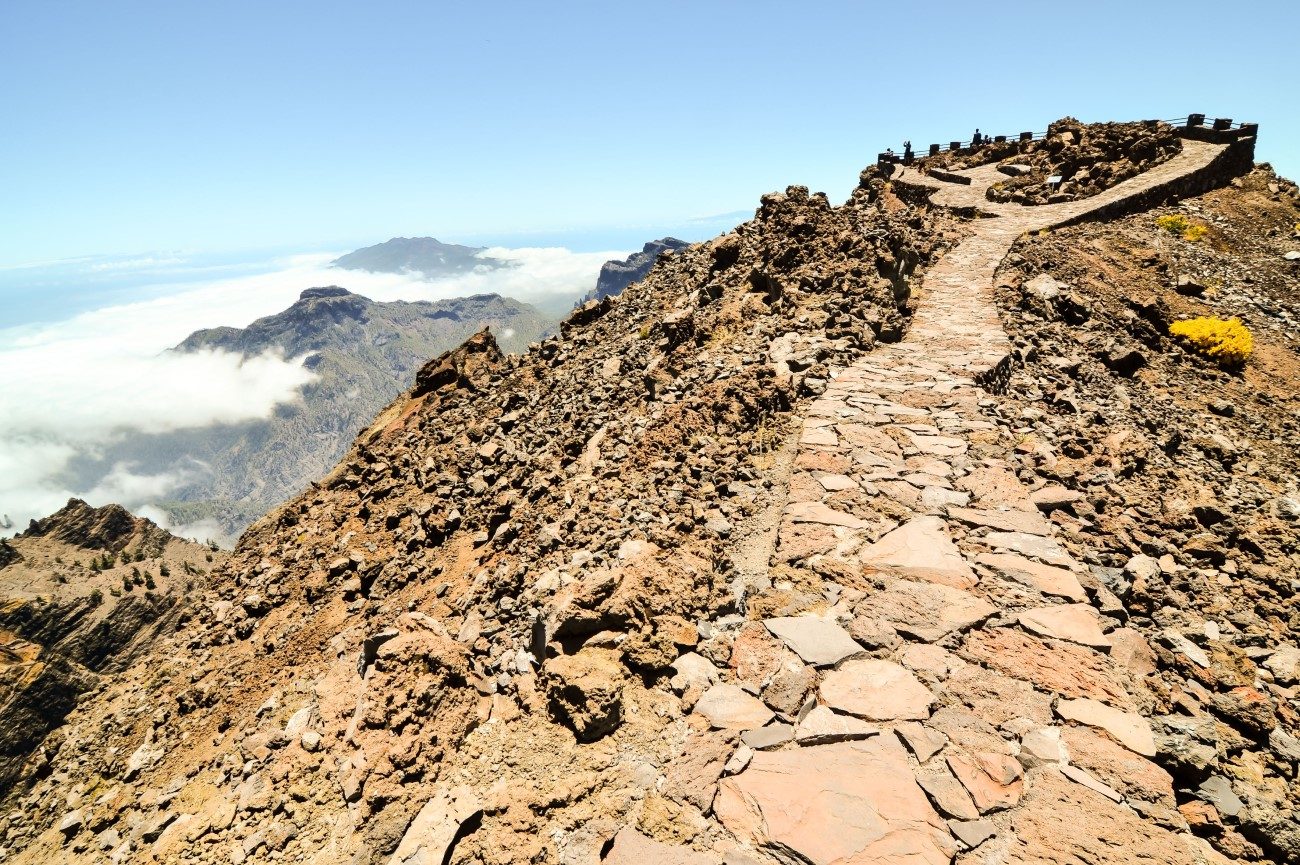
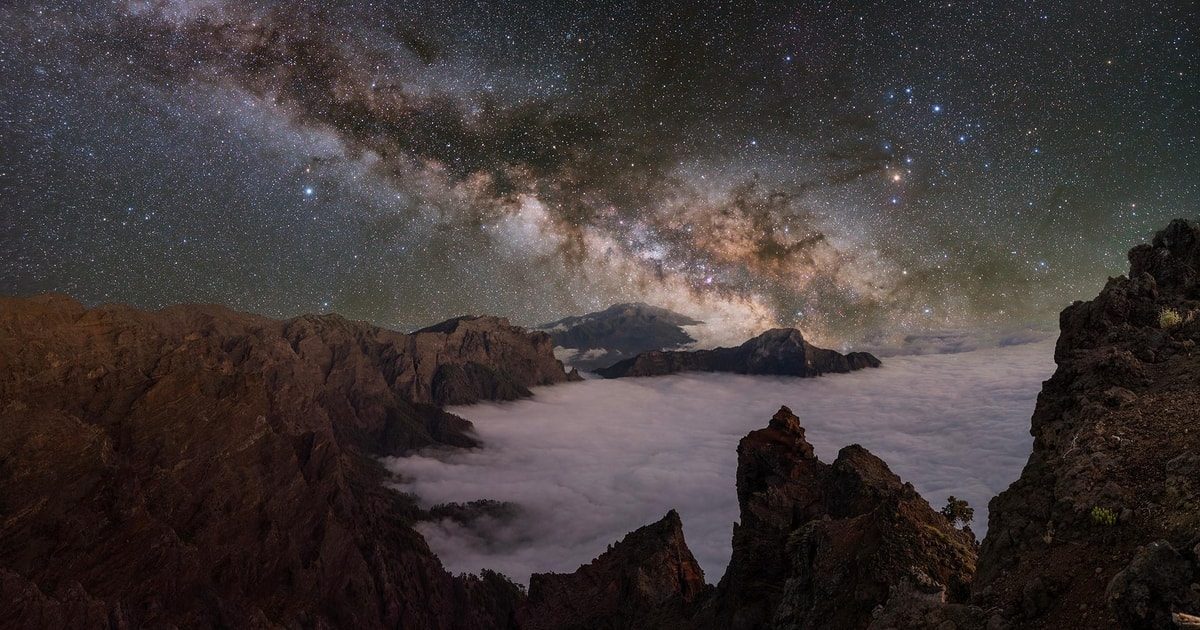
Position your tripod on the stone platform for a panoramic shot of the volcanic crater plunging into the clouds. This spot is frequently visited by those on a stargazing la palma tour tour to document the dramatic geology under moonlight.
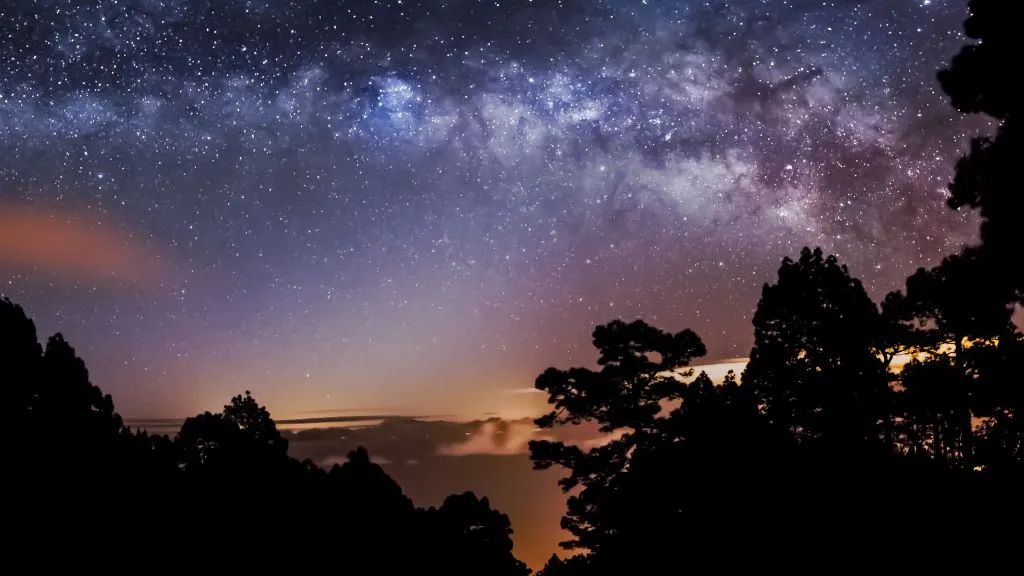
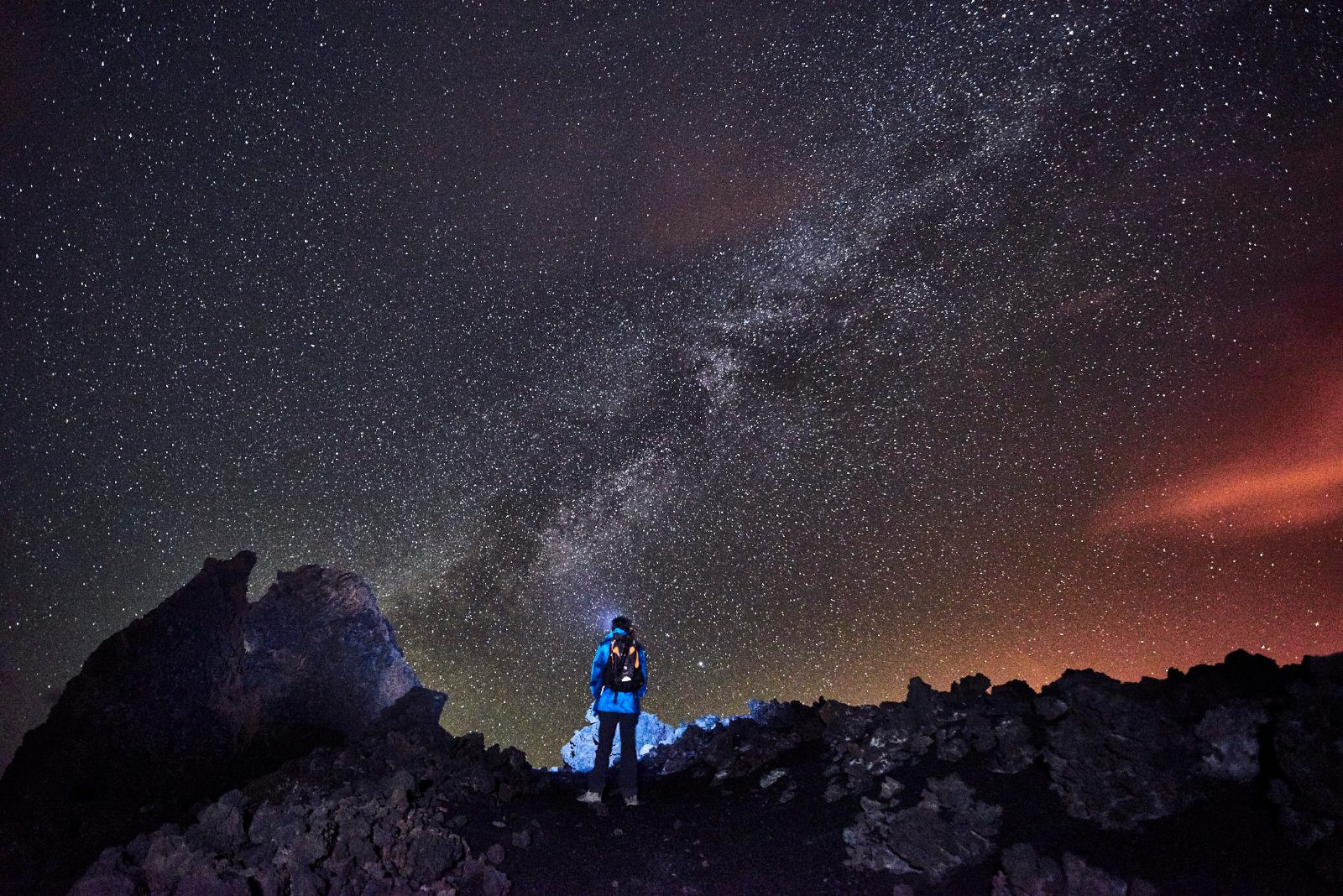
Set up your camera in this open plateau to frame the constellation-rich expanse away from light pollution. It remains a popular choice for guests seeking stargazing la palma tour tours that explore lower-elevation astronomy sites.
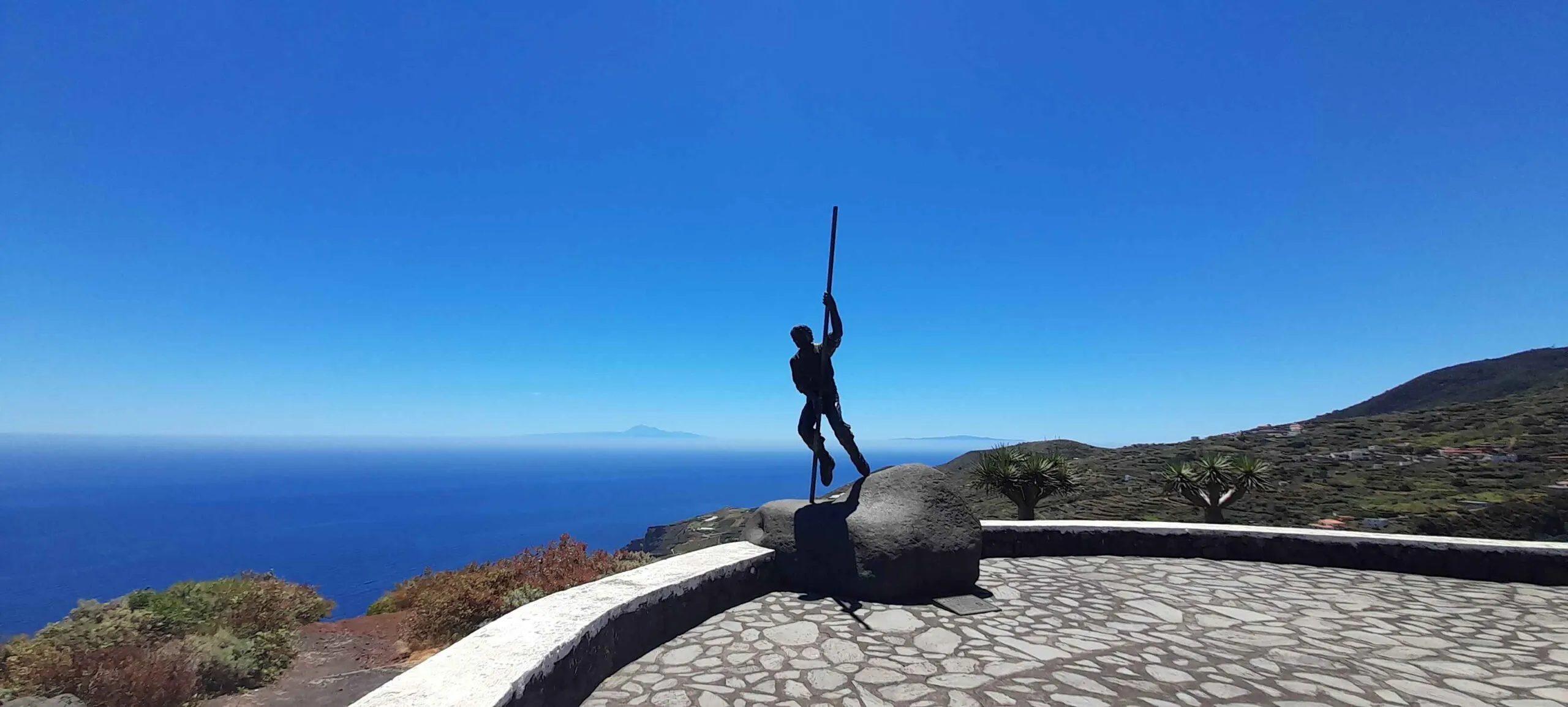
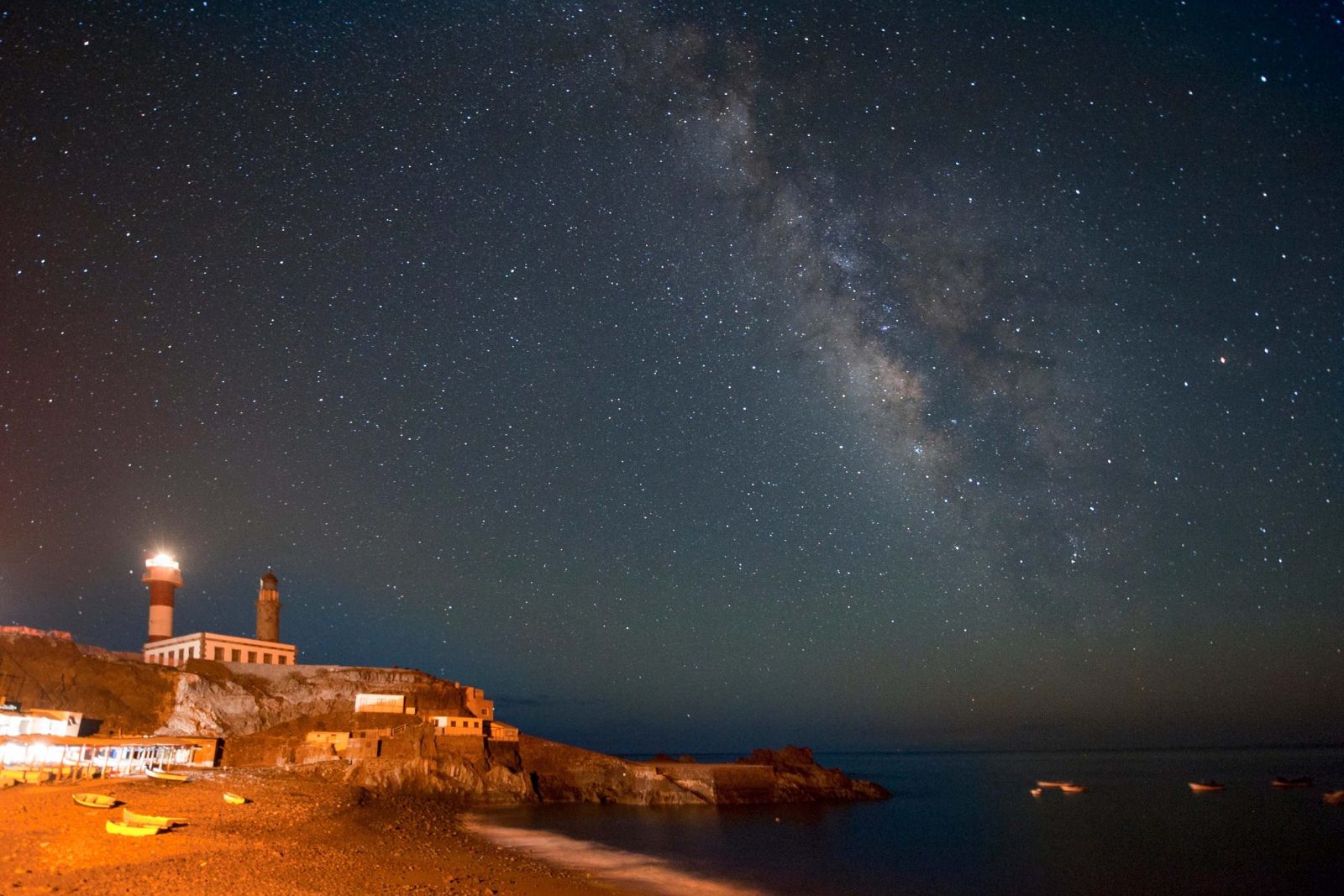
Capture the silhouette of the coastline meeting the ocean with the Milky Way visible above the dark sea. This location provides a distinct coastal perspective for anyone holding stargazing la palma tour tickets to the island's nocturnal experiences.
Planning a family stargazing la palma tour offers children a unique chance to explore the cosmos in one of the world's premier locations. While the site is educational, keeping young explorers engaged requires careful planning around the high-altitude environment.
The visitor centre is generally accessible, though parents should navigate carefully as some outdoor areas feature rugged volcanic terrain.
This experience is most suitable for children aged six and older who can appreciate astronomical displays and complex scientific concepts.
Restroom facilities are available on-site, though parents should prepare for limited baby-changing amenities during their stargazing la palma tour tours.
To maintain interest, plan your visit during the best arrival window of 10:00–16:00 to balance indoor exhibition time with shorter intervals outdoors.
Pack sufficient water and snacks as dining options are limited, ensuring you have supplies before arriving at the address of Crta. LP-4 Km 37, Garafía, La Palma.
Before purchasing your stargazing la palma tour tickets, ensure children are prepared for the high-altitude conditions and cooler temperatures common at this Santa Cruz de La Palma observatory landmark.
Finding dining options near a stargazing la palma tour requires planning, as the remote location of the visitor centre means on-site facilities are limited. Most travelers combine their astronomy experience with a meal in the nearby village of Garafía or carry provisions to ensure they stay fueled for the long night ahead.
Located in a historic setting, this spot serves traditional Canarian goat stew and fresh local cheeses. It is ideal for visitors looking to support the local economy after securing their stargazing la palma tour tickets.
Everything you need to know for your journey
The Visitor Centre is open Monday to Sunday, 10:00–17:30.
Consult your operator, as high altitude effects may affect younger participants during a stargazing la palma tour.
Availability is often limited for any stargazing la palma tour, so advance booking is highly recommended.
Entrance to the Visitor Centre (15 EUR) is separate from private tour costs.
Bring warm clothing, water, and your reservation confirmation for the stargazing la palma tour.
Access is by private car or taxi; regular buses do not serve the observatory during a stargazing la palma tour.
The centre is accessible, but check with your specific stargazing la palma tour operator regarding field terrain.
No, pets are strictly prohibited at the observatory site.
Photography is allowed in designated areas of your stargazing la palma tour.
Panoramic views of the Caldera de Taburiente.
Convenient access to urban services and coastline views.
Join thousands of happy travelers who have discovered this incredible experience
Book Your Experience Now